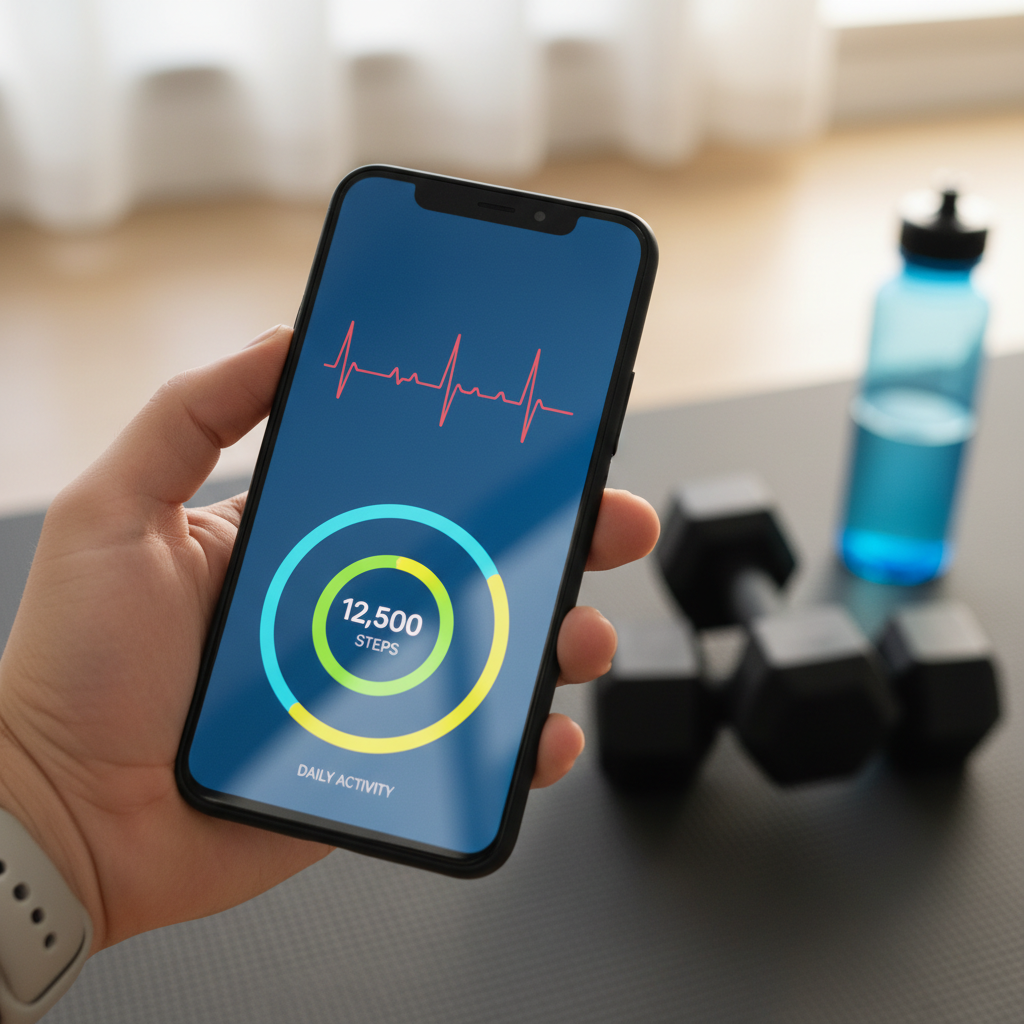






Whether you're tracking steps, burning calories at home, or monitoring your health metrics, Android has fitness apps for every goal and lifestyle. We've tested dozens and ranked the 10 most reliable and useful health & fitness apps for 2026. Here are the standouts that actually work.
1. Home Workout - No Equipment
Full-body workouts without any equipment or gym membership. This app delivers guided exercises for strength, cardio, and flexibility in 10–30 minute routines.
Best for: Home fitness, busy schedules, budget-conscious users.
Honest note: Requires self-motivation; the free version includes ads, though they're not intrusive.
2. Step Counter - Pedometer
Simple, reliable daily step tracking and calorie counting. Lightweight and works offline, so it won't drain your battery.
Best for: Casual daily activity tracking, beginners, low-end devices.
Honest note: Very basic interface, but that's part of its appeal—no clutter, no confusion.
3. Weight Loss for Women: Workout
Targeted home workouts designed for weight loss and fat burning. Combines strength and cardio routines tailored to women's fitness goals.
Best for: Women focused on weight loss, at-home fitness, structured routines.
Honest note: The name targets women, but the exercise science applies to anyone; don't skip it based on gender.
4. Running App - GPS Run Tracker
Serious runners need precise distance, pace, and route recording. Real-time GPS tracking keeps you on pace and logs progress automatically.
Best for: Runners, outdoor athletes, marathon training, pace-focused workouts.
Honest note: GPS drains battery; consider a dedicated running watch or shorter routes on days you need battery life.
5. Me+ Lifestyle Routine
Build healthy daily habits with AI life coaching and routine reminders. Combines fitness, wellness, and habit-stacking for holistic health.
Best for: Habit builders, daily routine optimization, motivational coaching.
Honest note: Works best with consistency; habit-building takes weeks, not days.
6. Flo Ovulation & Period Tracker
Comprehensive cycle tracking for menstrual, fertility, and perimenopause health. Personalized insights based on your cycle help you plan and stay informed.
Best for: Women's reproductive health, pregnancy planning, cycle-aware fitness planning.
Honest note: Full features require a subscription; the free version covers basics but limits historical tracking.
7. Strava: Run, Bike, Walk
Social fitness platform that tracks runs, bikes, and walks with community features. Segment leaderboards and friend activity keep you motivated.
Best for: Social fitness enthusiasts, runners and cyclists, competitive motivation, group challenges.
Honest note: Location data is shared; privacy-conscious users should disable live tracking and limit visibility settings.
8. Blood Sugar - Diabetes App
Specialized app for diabetes management. Log meals, track glucose trends, and receive actionable health insights.
Best for: Diabetes management, glucose monitoring, meal planning with diabetes.
Honest note: Medical-grade tracking requires accurate, consistent data entry; use alongside a proper glucose monitor, not as a replacement.
9. Blood Pressure App
Monitor hypertension trends over time with simple logging and analysis. See your BP patterns and share data with your doctor.
Best for: BP monitoring, hypertension tracking, health trend analysis.
Honest note: Not a replacement for a clinical-grade BP monitor; use this to track readings from a proper device.
10. Arise: Level Up In Real Life
AI personal trainer with gamified workouts and real-world quests. Treats fitness like an RPG, with progression, leveling, and AI coaching.
Best for: Gamers, motivation through gaming mechanics, AI coaching, intrinsic goal-setting.
Honest note: Niche appeal; works best for users who find traditional fitness apps boring.
Common Challenges
The biggest pitfall with fitness apps is subscription fatigue. Many free versions lock core features—daily coaching, premium workout plans, offline mode, ad-free use—behind a paywall, tempting you mid-journey. Others drain battery through constant GPS tracking or request invasive permissions (location, camera, microphone). On budget Android devices, bloated apps cause lag during workouts, crashes mid-session, or RAM exhaustion. Privacy is another real concern: some apps track your location continuously, even offline, without clear transparency. Before installing, read the latest reviews and test the free version first; don't subscribe until you're confident it fits your routine and respects your privacy.
So, Which One Is Best?
There is no single winner—the best app depends on your goals, device, and budget. Home Workout is unbeatable for free, ad-supported home exercise. Strava dominates social fitness but requires privacy trade-offs. For medical tracking (diabetes, blood pressure), the dedicated apps are essential. Lightweight apps like Step Counter and Blood Pressure App work on any device. Before installing, check current ratings and read recent user reviews—app quality changes with updates, and user feedback is your best guide. Always install from trusted sources like APK Store, enable "Install unknown apps" only during installation, then disable it immediately for security. Your device's safety depends on it.